What to Expect During a First Visit to a Toronto Cannabis Store?
Entering a cannabis store in Toronto involves more than choosing from a shelf. Ontario retailers follow age-verification rules, sell regulated products, and provide information through labels and trained employees. Visitors can expect an orderly shopping environment, although store procedures differ. Bringing suitable identification and knowing which questions to ask can make the visit more straightforward. Equally, customers can inspect available information, speak with staff, and leave without purchasing anything.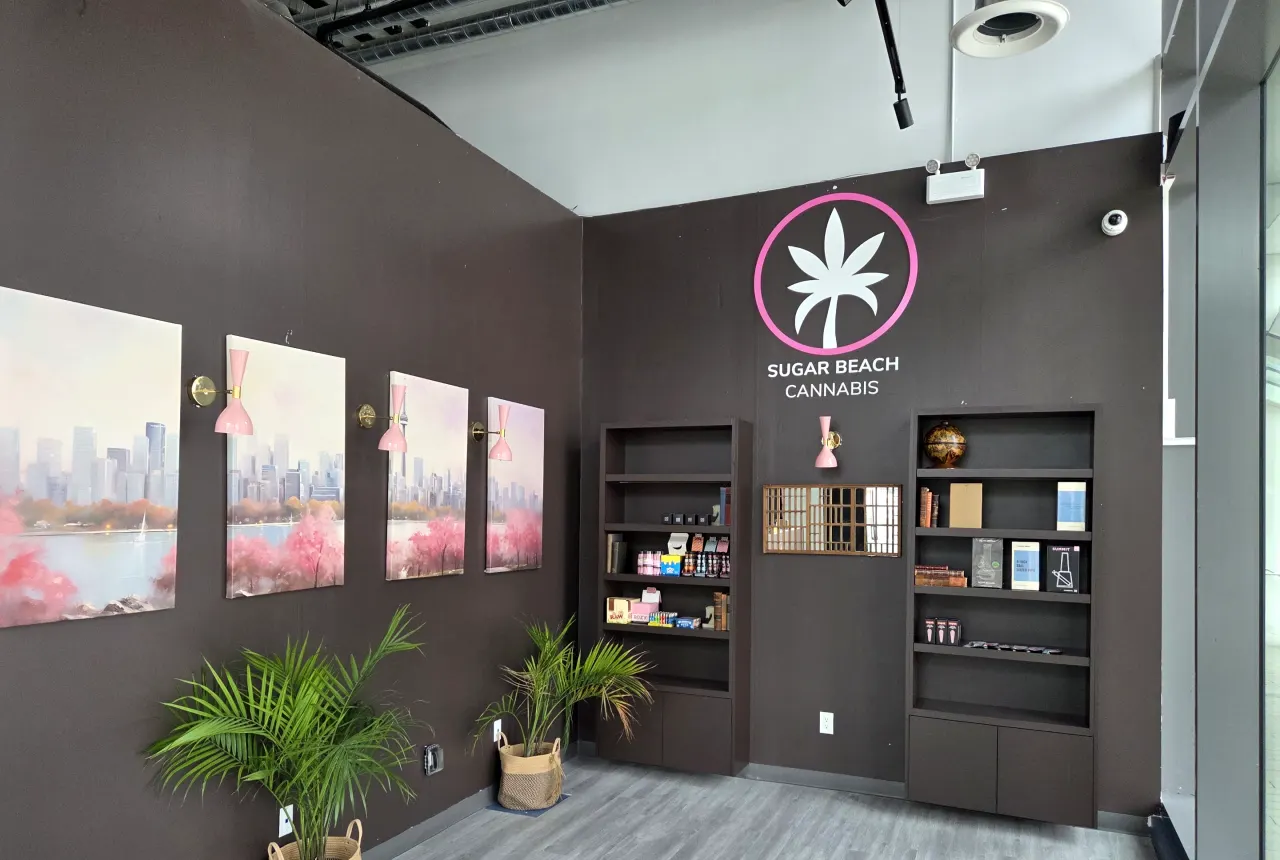
Before You Visit: Check the Retailer and Prepare Identification
Preparation helps prevent an unnecessary journey. First, confirm that the location holds authorisation to sell recreational cannabis. Ontario requires authorised retailers to display the official cannabis retail seal near their public entrance. The provincial regulator, the Alcohol and Gaming Commission of Ontario, also maintains information about authorised locations. That information offers more certainty than online reviews or storefront advertising.
Store hours, product availability and payment arrangements can differ, so checking the retailer's published information may help. Online menus can show product categories, but inventory may change before you arrive.
Bring government-issued photographic identification that shows your date of birth. A valid passport or driver's licence can serve this purpose when the document meets Ontario's requirements. Visitors from other provinces or countries must still meet Ontario's minimum purchasing age of 19. Adults must still prove their age when staff requests identification.
Arriving at the Store: What Happens at the Entrance?
Some stores have an employee near the entrance; others check identification elsewhere. Ontario requires retailers to check acceptable identification before admitting anyone who appears younger than 25. Staff must confirm that the person has reached 19. The same appearance-based requirement applies when selling cannabis, even if an earlier check occurred at entry.
Someone who looks older may not receive an entrance check, but retail employees can still ask for identification. If a visitor cannot provide acceptable proof of age when necessary, the store cannot simply overlook its legal verification duties. Bringing the original identification document rather than assuming a photograph on a phone will suffice avoids uncertainty.
Expect premises dedicated to regulated cannabis retail rather than an ordinary convenience shop. Underage companions cannot enter merely because an eligible adult accompanies them. Visitors should respect signs, employee directions and any reasonable store rules concerning photography or handling displayed items.
Inside the Retail Space: Displays, Menus and Sealed Products
An authorised shop might have product information screens, printed menus, display cabinets and a staffed counter. Another location may organise the shopping journey around conversations with employees. Both arrangements operate within the legal retail system.
Because cannabis products arrive in regulated packaging, the customer experience differs from browsing loose goods at a conventional market. Display samples, where available, do not necessarily represent packages that customers can open or handle freely. Ask before touching anything on display, and do not break a product seal to inspect its contents.
Menus may organise items by format, quantity or cannabinoid content. Prices and availability can change, and some products may require staff to retrieve the sealed package. Customers can take their time reading descriptions rather than choosing immediately. They can ask staff to clarify terminology before deciding.
Product Formats You May See
Retailers can carry several legally permitted categories, but individual shops choose their own assortments:
-
Dried flower and pre-rolls: Cannabis plant material sold loose in sealed packages or prepared in rolled form.
-
Edibles and beverages: Foods and drinks containing cannabis, with specific labelling and regulatory requirements.
-
Oils and capsules: Products that present cannabis in measured liquid or capsule formats.
-
Extracts: Concentrated cannabis products available in different legally regulated forms.
-
Topicals: Products intended for application to the skin rather than eating or inhalation.
These descriptions identify formats, not expected effects. Different formats carry different risks, and a retail menu cannot predict how an individual will respond.
Reading Cannabis Labels Before Making a Decision
Packaging provides information that matters more than a product's appearance or marketing description. Federal rules require key details that help consumers distinguish packages and recognise potential risks. Rather than focusing only on the largest number, examine the full label and ask about unfamiliar measurements.
What the Numbers and Warnings Mean?
THC and CBD are cannabinoids. A package may express their amounts as milligrams, milligrams per gram, or amounts per individual unit, depending on the product. For example, a value per edible piece differs from the total amount in the entire package. A figure on dried flower cannot automatically be compared with a beverage figure without considering the units.
Look for the following information where it applies:
-
Total THC and Total CBD: Read both the quantity and the unit of measurement.
-
Net quantity: Check how much product the package contains.
-
Ingredients and allergens: Review these details for edible products and other applicable categories.
-
Health warnings: Read the required warnings instead of treating packaging as a guarantee of safety.
-
Product identification: Check the identifying information and the condition of the packaging.
Regulated products also carry required markings, although specific exemptions can apply. A damaged seal or unclear label gives the customer a reason to ask questions before paying. If the print seems difficult to read, ask staff for the details in clearer form. THC figures alone do not establish how someone will feel; personal factors, product format, and other circumstances also matter.
Talking With Retail Staff Without Feeling Pressured
Retail employees can explain a product's category, label, package size, listed contents, availability, and store procedures. Asking a basic question does not require prior cannabis knowledge. An adult visitor can request clarification, compare factual product information, or decide that none of the available options meets their needs.
Useful questions include:
-
What does the stated THC or CBD measurement refer to?
-
Does this label show the amount per unit or per package?
-
Which ingredients or allergens appear on this edible product?
-
Can I see the complete label before choosing?
-
What payment methods does this location accept?
However, a sales conversation is not a medical consultation. Retail employees should not diagnose a condition, promise a health outcome, or present cannabis as an established treatment for an individual's symptoms. Anyone seeking advice about medication interactions, pregnancy or other health concerns should consult an appropriate healthcare professional instead.
At Checkout: Purchases, Payment and Receipts
Once a customer chooses an item, staff can confirm its price and quantity before completing the transaction. They may request identification again, particularly when the customer appears under 25. Check that the package matches your selection and its seal remains intact.
Ontario permits adults aged 19 or older to purchase up to 30 grams of dried recreational cannabis, or the equivalent in other forms, in a single transaction. Equivalency rules mean that 30 grams of dried flower does not translate into 30 grams of every other product. Staff can clarify how a purchase fits within the applicable limit.
Payment options differ between stores. Rather than assuming a particular card or cash arrangement, confirm what the location accepts. Keep the receipt in case you need to discuss a transaction or identify the purchase later. Store-specific exchange and return policies also vary, so ask about them before paying when that information matters.
After Leaving: Carrying, Storing and Consuming Legally
A legal purchase does not permit unlimited possession or consumption anywhere in Toronto. Adults may possess up to 30 grams of legal dried cannabis, or its equivalent, in public. That limit concerns the cannabis someone carries, not simply the quantity purchased in one visit. Consider any cannabis already in your possession before buying more.
Ontario permits smoking or vaping cannabis in certain outdoor public spaces, but prohibits it in numerous locations, including enclosed public places, playground areas and specified spaces near schools. Municipal bylaws, property rules and leases may impose further restrictions. Do not assume that leaving a shop makes the nearest pavement or doorway an appropriate place to consume cannabis.
If you transport a purchase by car, follow Ontario's rules concerning cannabis accessibility and packaging inside vehicles. Never drive while impaired. Cannabis can affect judgement and reaction time, and lawful retail access does not change impaired-driving offences.
At home, store cannabis securely away from children, teenagers and pets. Edibles particularly warrant care because their appearance may resemble ordinary food. Keep packages identifiable, follow storage information and avoid leaving products where others can access them accidentally.
Visitors planning international travel should also remember that cannabis cannot ordinarily cross Canada's border, even when the destination permits it. Legal purchases in Toronto do not create an exception for holiday souvenirs, CBD products or personal convenience.
Conclusion
A first visit to a licensed Toronto cannabis retailer should centre on clear identification checks, factual product information and an unhurried decision. Verify the store's authorisation, carry acceptable photo identification and read labels before considering a purchase. Staff can explain retail procedures, but they cannot replace medical advice. At checkout, check quantities and packaging; afterwards, follow possession, storage, consumption and driving rules. Browsing without buying remains a perfectly reasonable outcome, especially when a visitor needs more information.
Comments
Post a Comment